By Palma Ileye
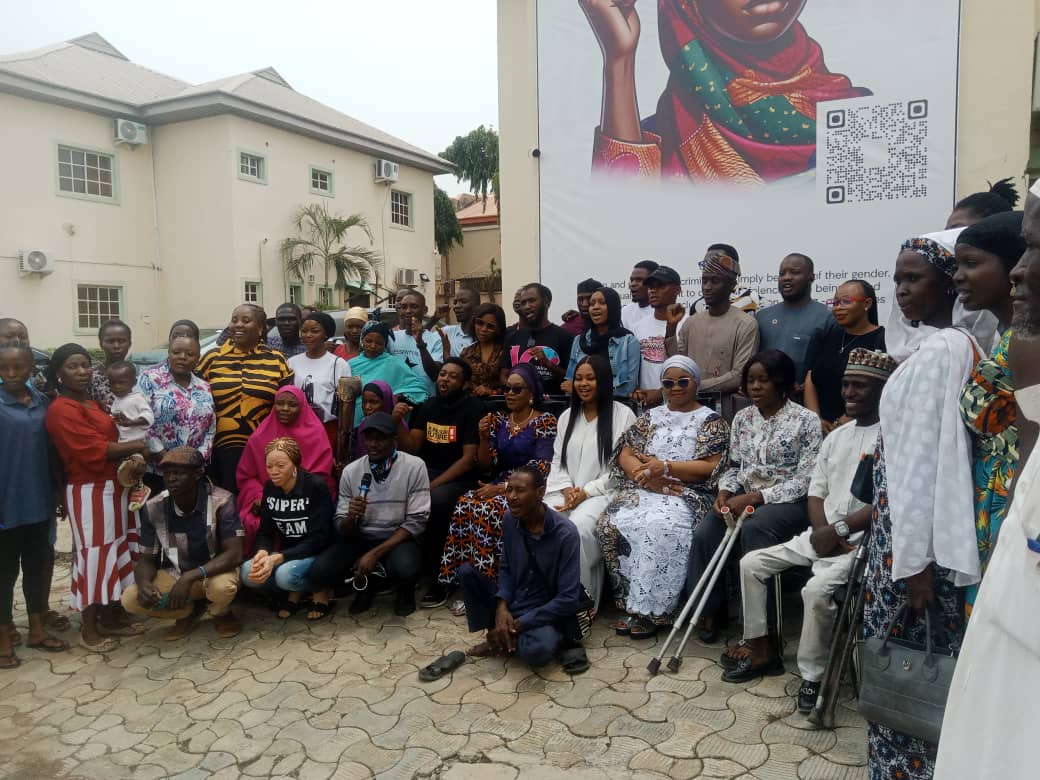
To mark the 2025 World Environment Day, the Federal Government, in collaboration with ActionAid Nigeria, AAN, has mobilised youths and Persons with Disabilities, PWDs, to tackle plastic waste disposal across cities in Nigeria.
Speaking during the “Beat Plastic Pollution Innovation Day” held in Abuja, Country Director of ActionAid Nigeria, Andrew Mamedu represented by the Chair of ActionAid Nigeria Young People’s Forum, Favour Ikpe said the initiative aims to encourage Nigerians to reduce their reliance on single-use plastics.
Mamedu advocated for improved recycling practices and the establishment of collection points across the Federal Capital Territory, FCT, to facilitate effective plastic waste management.
He said, “The idea behind today’s event is to bring people together to take action. We must join hands to beat pollution and drastically cut down the use of single-use plastics.
“Today, we’ve brought together people from within the FCT to showcase their innovations in art, furniture, and other products made from recycled plastics.”
He added that youths from Maiduguri in Borno State recently created bricks from plastic waste at community hubs.
According to him, the broader goal was to highlight the creative solutions being implemented by young Nigerians and explore avenues to support and scale these efforts, turning environmental action into sustainable livelihoods.
“We believe in the power of young people to drive real, lasting change. Just a few days ago, the world paused to reflect on our environmental crisis. But our commitment must go beyond that—because plastic pollution doesn’t take a day off,” he said.
Highlighting the urgency, he noted that, “Nigeria generates over 2.5 million tonnes of plastic waste annually, yet less than 10% is recycled. The rest ends up in drainages, farmlands, and oceans damaging health, ecosystems, and livelihoods.”
The Country Director expressed optimism that change was already underway saying that, “With nearly 70% of our population under the age of 30, Nigerian youths aren’t waiting for change—they’re making it happen. They’re founding startups, designing sustainable products, and building green alternatives.”
He pointed to the economic potential of recycling: “Globally, the recycled plastics market is projected to exceed $107 billion by 2032. Nigeria’s circular economy is already worth over $10 billion. The African Development Bank estimates that a full transition in Africa could unlock $350 billion in economic opportunities by 2030.”
However, he stressed the need for enabling systems stating, “In Lagos, the recycling economy was worth ₦18 billion in 2021, yet 80% of the city’s waste is still not formally collected—amounting to over $2.5 billion in lost value annually. That’s why Lagos’ decision to ban single-use plastics starting July 1 is bold and necessary. We urge other states and the National Assembly to follow suit.”
Mamedu called for more support for grassroots initiatives urging, “Let’s reward innovation, fund community-led projects, and enact policies that empower young recyclers. Plastic may be part of the problem—but with the right approach, it can be part of the solution. If we rethink, reuse, and recycle, we can turn pollution into possibility.”
He concluded, “Today isn’t just about raising awareness, it’s about celebrating action. From live demonstrations to gallery displays, what you see here is transformation in motion. Let’s reimagine plastic—not as pollution, but as potential.”
Also speaking at the event, the Minister of Women Affairs represented by Mrs. Blessing Anunike, Director of the Economic Services Department emphasised that women must not only be seen as victims of climate change but also as key drivers of the solution.
Anunike said, “Beating plastic pollution isn’t someone else’s job—it’s our collective responsibility. I call on women across all sectors—from boardrooms to markets, mosques to churches, classrooms to traditional councils—to rise and lead this campaign.”
She urged Nigerian women to: Say no to single-use plastics, Promote eco-friendly alternatives, Educate their communities, and Influence change at every level.
“Let us be the women who turn the tide. Let this be the year Nigerian women take their rightful place on the front lines of environmental justice and climate action. When we protect our health, we protect our children—and our future,” she added.