
By Jeff Ukachukwu
Once upon a time, Enugu’s tourism potential lay buried under the coal dust that once fueled locomotives and lit up colonial dreams. But in today’s Enugu, there’s a new conversation about what it means to invite the world in, to give the hills, forests, waterfalls, and old mining relics a second life—not as relics of extraction, but as gateways for visitors seeking wonder, rest, and story.
Enugu’s unique selling points, such as the Nsude Pyramid’s planned canopy walkway, the pine forests at Ngwo with their zip line, and the Awhum Waterfalls with their boardwalk, are set to make it a destination of choice for adventure seekers and nature lovers. You sense this shift the moment you arrive at Akanu Ibiam International Airport, the familiar scent of jet fuel is laced with the hum of new possibilities.
Gone are the long lines and faded signage; instead, a freshly painted façade welcomes you, each brushstroke a promise that Enugu is no longer simply a waypoint but a destination in its own right. Bright murals stretch along the arrival corridors, telling stories of coal miners’ resilience, the gentle curve of the Cross of Hope far above the city, and the promise of canopy walks through ancient forests, even before you collect your bags, the air carries something different—an undercurrent of optimism that has become tangible here. This suggests someone finally cares how first impressions linger.
Outside, the runway’s recent refurbishment whispers of bigger jets, fuller cabins, and visitors who linger longer. It’s all part of a ₦13.8 billion tourism expenditure approved last May—a figure that, not so long ago, would have been earmarked for road repairs or public salaries, but which today underwrites a vision of Enugu as West Africa’s adventure and culture hub. Walk the tarmac at dusk and you’ll spot maintenance crews putting final touches on the three Embraer planes for Enugu Air, recently launched as part of Governor Peter Mbah Administration’s integrated blueprint for a modern, multimodal transport ecosystem and the vision to make Enugu a major aviation hub. It is already connecting Enugu with Lagos and Abuja for a start will shortly expand its network of routes to other Nigerian cities and beyond.
The ambition is no secret. Governor Peter Mbah, barely two years into his tenure, made tourism a pillar of his promise to grow Enugu’s economy from around $4.4 billion to $30 billion in less than a decade. The plan is not just to draw fleeting tourists, but to anchor the state as Nigeria’s adventure, conference and heritage capital. The potential economic benefits of this plan are significant, with the state aiming to attract three to six million visitors a year, leading to increased hotel occupancy, job creation, and a boost to local businesses. For decades, those who came to Enugu did so primarily for family, work or politics. Now, the goal is for them to stay longer, spend more and tell stories that echo across borders.
For now, the promise is visible, if not yet complete. Enugu has become a huge construction site – literally speaking. The blueprint for the Nsude canopy walk is pinned to the ministry’s wall. The conference center and urban parks are slowly taking shape. Every roundabout that swaps dusty concrete for a polished monument says this is a place with its eyes on the future. But the road is long, and the test is relentless. It is one thing to launch big projects; it is another to sustain them when the political winds shift or funding dries up.
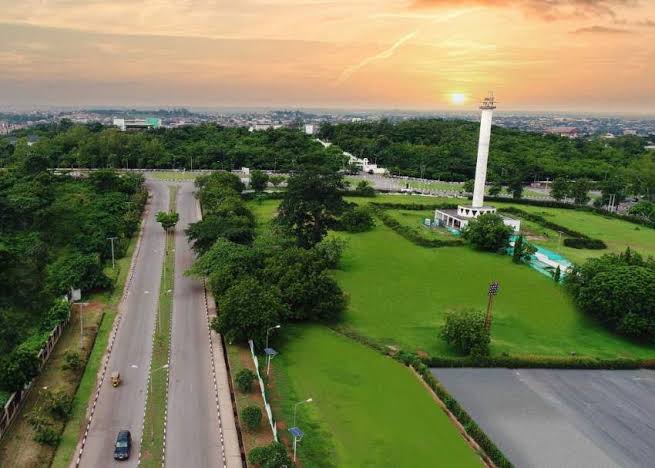
And yet, there’s a poetic justice in Enugu’s new story. The same hills that once swallowed men into tunnels now invite them back to walk above the trees. The coal that once fueled engines now inspires stories that fuel curiosity and knowledge economy. If Enugu can continue to stitch together good policies, genuine partnerships, safety, and a sense of care for the landscape and the people who call it home, its tourism renaissance might outlast the slogans. And maybe, in the soft dawn light over Milliken Hill or the roar of Awhum’s waterfalls, visitors will find that this corner of Nigeria is more than a stopover—it’s a destination and an experience that lingers.
…Dr Ukachukwu, a public affairs analyst, writes from Enugu


