By Michael Oche
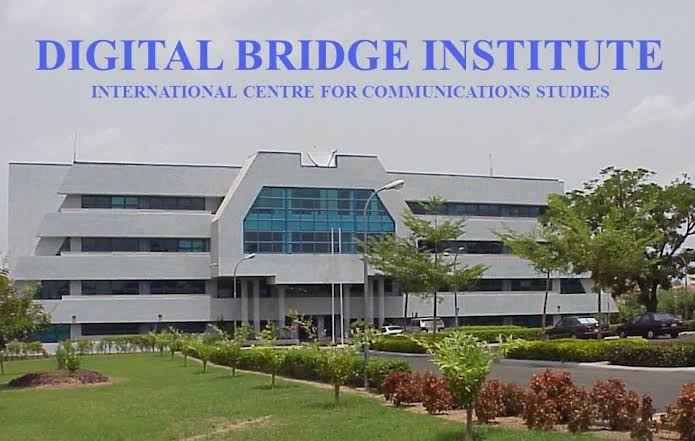
In a bold move to address Nigeria’s digital skills gap, the Federal Government has launched the Digital Bridge Institute (DBI) Certificate Licensing Programme.
The initiative, unveiled on March 4, 2025, at DBI’s Lagos campus, aims to equip individuals and organizations with globally recognized ICT certifications, boosting employability and driving economic growth.
Speaking at the launch, DBI President and CEO, David Daser, emphasized the significance of the programme in preparing Nigeria’s workforce for the digital economy.
“This programme marks a pivotal moment in Nigeria’s drive to equip its citizens with the necessary digital skills to succeed in the modern economy,” he stated.
He explained that the programme will not only offer high-quality training but also open new doors for collaboration and growth within the technology sector.
The DBI Certificate Licensing Programme—officially named the Global Certification and Training Partnership Programme (GTP/GCP)—was developed in collaboration with industry experts, academia, and government stakeholders.
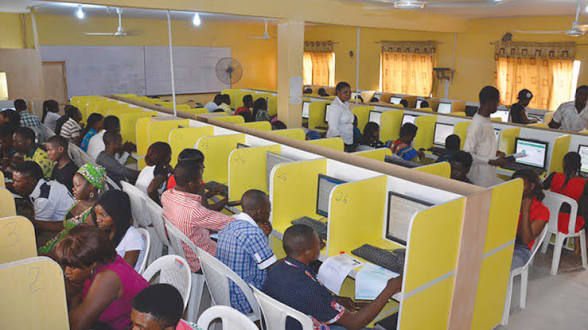
It allows DBI to license its training curriculum to accredited institutions and trainers across Nigeria, ensuring broader access to ICT education, especially in underserved regions.
Daser highlighted the urgency of bridging Nigeria’s digital skills gap, citing a UNICEF report indicating that only 7% of Nigerians aged 15-24 have marketable ICT skills.
Additionally, a 2020 report by Palladium Group revealed that over 50% of Nigerian youth are either underemployed or unemployed due to a mismatch between education and job market requirements.
“The gap between the skills our youth possess and what is required by the job market must be closed. This programme is designed to provide access to industry-recognized training that will boost employability and help fill the growing gap in the ICT sector,” Daser explained
The DBI boss shared that the initiative would see DBI license its training programmes to qualified institutions and trainers across Nigeria, enabling them to deliver DBI’s curriculum to learners nationwide.
“This is an important step in democratizing access to ICT education, particularly in underserved regions. We are not just bringing training to Lagos but to every corner of Nigeria,” he explained.
Daser also highlighted that the DBI Certificate Licensing Programme is aligned with the Renewed Hope Agenda of President Bola Ahmed Tinubu’s administration, which prioritizes economic growth, youth development, and job creation.
He said, “This is not just about providing training but also about contributing to the broader national goals of job creation and economic diversification.”
The programme further aligns with the strategic objectives of the Federal Ministry of Communications, Innovation, and Digital Economy, particularly its 2023-2027 plan to strengthen Nigeria’s knowledge economy and digital infrastructure.
“Through this initiative, DBI is contributing to Nigeria’s ambition to establish a skilled workforce capable of competing on the global stage. We are setting a foundation for long-term growth and innovation in Nigeria’s ICT sector,” said Daser
The DBI Certificate Licensing Programme has received strong backing from key government figures, including Dr. Bosun Tijani, the Minister of Communications, Innovation, and Digital Economy, and Dr. Aliyu Maida, the Executive Vice Chairman of the Nigerian Communications Commission.