By Blessing Bature
The Nigerian government has made significant strides in combating National Oral Health (Noma) disease, a devastating and disfiguring condition prevalent in the country’s rural areas.
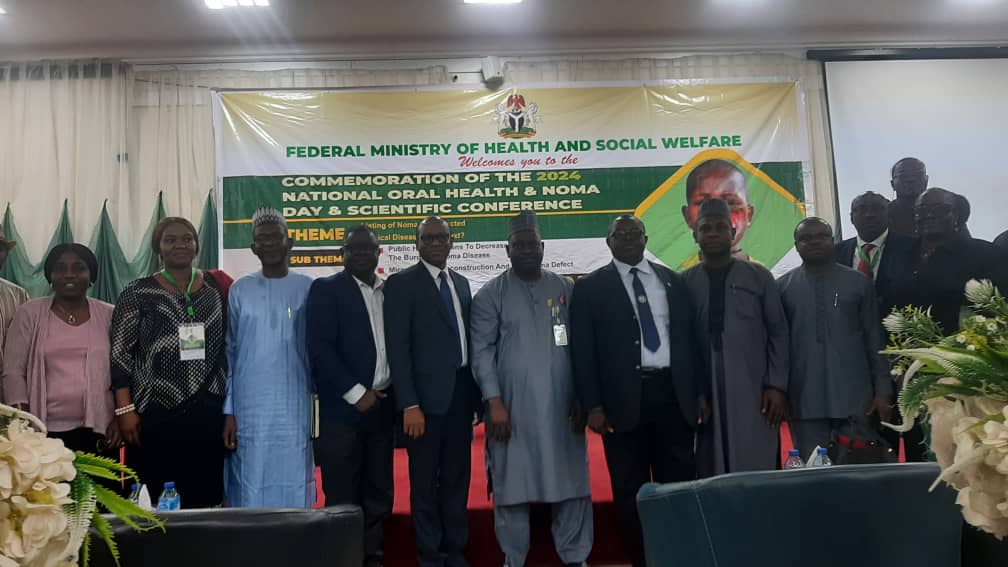
The Minister of State for health and social welfare, Iziaq Adekunle Salako at the commemoration of 2024 national oral day /Mona said federal Ministry of Health and Social Welfare in collaboration with oral health stakeholders continues to make significant strides in addressing Noma.
He said, the 2024 oral health day, a day dedicated to raising awareness about the importance of oral health is am opportunity to remind ourselves that our total well being is significantly impacted by the health of our buccal cavity.
According to him, “Our mouth is a mirror that reflects our overall health status, a key determinant of our nutritional status and influencer of our self-esteem, saying a healthy smile is not just a reflection of our physical appearance, but also an indicator of our overall health.
” It is essentiall to recognize that oral health extends beyond the mouth; it affects our social interaction, confidence, our ability to eat and speak, and ultimately, our quality of life. This is in line with the WHO definition of oral health as the state of the mouth, teeth, and orofacial structures that allows people to perform essential functions like eating, breathing, and speaking. It also includes psychosocial aspects like self-confidence, well-being, and the ability to socialize and work without pain or discomfort”.
He informed, “When our oral health is compromised, general health suffers, affecting vital functions like chewing, swallowing, speaking, and sleeping. Oral health challenges often lead to pain and discomfort, impeding our ability to concentrate, and can lead to social isolation, absenteeism, lowering earning power and perpetuating poverty.
Oral diseases, such as dental caries, periodontal diseases, oral cancers, and Noma, are among the most common and preventable non-communicable diseases (NCDs) worldwide. They share modifiable risk factors with other leading NCDs, including tobacco use, harmful alcohol consumption, and unhealthy diets.
“The TWG, a multidisciplinary committee, made up members of the academia, representatives of local and international NGOs and other critical stakeholders is working and innovating on how best to combat Noma in Nigeria”.
Salako explained that the revised National Oral Health Policy and the Noma Policy and Strategic Plan launched on 3rd July 2024 has now positioned the country better for the prevention and control of oral health diseases including the Noma. The dentristry division of the Federal Ministry of Health and Social Welfare working collaborative with the NTD division of the ministry is integrating Noma activities into the existing structures of NTDs program specifically in areas of active case search, psychosocial support, peer group support program, livelihood support and anti-stigma campaign.
Speaking, the Country Representative Médecins Sans Frontières (MSF) in Nigeria applauded federal government, saying Nigeria demonstrated global leadership with the launch of the Noma Centre in Abuja. This remarkable achievement was made possible through the efforts of the Noma Aid Nigeria Initiative (NANI), in collaboration with the Federal Ministry of Health and Social Welfare and with support from German Hilfsaktion Noma eV.
“In Nigeria, first, we must ensure that Noma surveillance is fully integrated into Nigeria’s health systems. Early detection and timely treatment remain critical to saving lives. Second, we must address the underlying drivers of noma-poverty, malnutrition, and inadequate access to healthcare. And finally, we must strengthen collaboration between local communities, health professionals, policymakers, and international organizations to create sustainable solutions.”
He therefore reaffirmed commitment to a future where no child suffers from Noma and no community is left behind.
Also, Permanent Secretary of the Federal Ministry of Health who was represented by the Director Speciality hospital, Dr Azeez Aderemi said we mark a year of significant milestones and renewed determination. Last December, the World Health Organization (WHO) recognized noma as a neglected tropical disease-a long-overdue acknowledgment of the suffering endured by countless individuals, particularly in underserved communities.
She reaffirmed commitment to a future where no child suffers from Noma. “Let us work together to create a world where every individual has access to the oral healthcare they need and deserve”.