By Wednesday Columnist
For over 60 years, Nigeria has struggled with the challenge of providing constant and reliable electricity. Despite numerous promises and reforms, the country’s power sector remains plagued by inefficiencies, corruption, and poor infrastructure. Trillions of Naira have been invested into the sector, yet the national grid barely generates between 4,000 and 5,000 megawatts (MW) of electricity—far below the installed capacity of 13,000 MW. This is woefully insufficient for Nigeria’s population of over 200 million, leaving much of the country in darkness or reliant on expensive generators. Every administration, whether military or democratic, has proposed reforms, but steady power supply has remained elusive.
This brings to mind, pertinent questions: Is Nigeria’s power sector jinxed? If not, why is it an uphill task to generate more than 5,000 megawatts of electricity for a population of over 200 million since Independence in 1960? And where have the trillions of Naira invested in the sector by both the military and civilian governments gone?
In contrast to the abysmal power sector in Nigeria, several African countries have made significant strides in electricity generation, even with smaller populations. South Africa, for instance, generates around 58,000 MW for its population of 60 million, despite grappling with its own challenges of load shedding. Egypt, with a population of about 105 million, produces around 60,000 MW and has positioned itself as a power exporter in the region, thanks to investments in renewable energy and large power plants. Morocco, while smaller in size, generates approximately 10,000 MW, with a strong focus on renewable energy, particularly solar. Similarly, Kenya, with an emphasis on geothermal energy, produces 2,800 MW for a population of 54 million, while Ghana, despite having just 34 million people, generates 4,400 MW, achieving relatively stable electricity compared to Nigeria.
Nigeria’s inability to match these countries stems from several factors. Corruption has siphoned off much of the funds meant for power projects, while aging infrastructure, policy inconsistency, and gas supply challenges have hampered growth in the sector. Gas, though abundant in Nigeria, is often unavailable for power plants due to poor transportation infrastructure and vandalism. Moreover, frequent changes in government policies and leadership in the power sector have led to a lack of continuity in reforms, deepening the crisis.
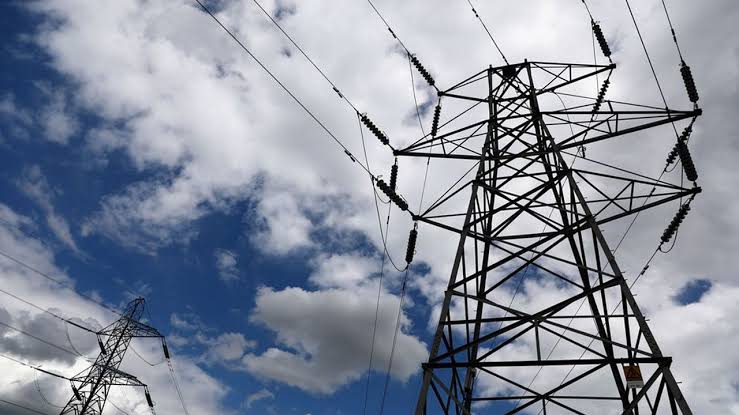
One of the most glaring issues in the power sector is inadequate infrastructure. Much of Nigeria’s power infrastructure was built decades ago and has not been sufficiently upgraded or maintained. Power plants, transmission lines, and distribution networks are frequently outdated, leading to system breakdowns and inefficiency. With a rapidly growing population and increasing demand for electricity, these ageing facilities are unable to meet the needs of Nigerians.
Corruption and mismanagement have also played significant roles in the power sector’s decline. Over the years, trillions of Naira have been allocated for improving electricity generation, but much of these funds has been misappropriated or wasted on substandard projects. Corruption within the sector has stifled reforms and prevented the kind of sustained investment needed to overhaul the infrastructure. As a result, promises of improvement have often gone unfulfilled, leaving the country trapped in a cycle of broken promises and inadequate power supply.
Another critical factor is underinvestment. Despite Nigeria’s size and economic potential, there has been insufficient investment in expanding power generation capacity. New power plants and facilities that could improve electricity supply have not been built at the necessary pace. This has been further complicated by the high cost of maintaining existing infrastructure, which is often prioritized over expansion.
Nigeria’s reliance on gas-powered plants for electricity has created also another layer of complexity. While the country is rich in natural gas, inconsistent gas supply has hampered steady power generation. This inconsistency is largely due to vandalism, pipeline theft, and underdeveloped gas infrastructure. Without a reliable supply of gas, many power plants operate below capacity or are forced to shut down altogether, causing widespread blackouts.
Policy inconsistencies have also contributed to Nigeria’s electricity woes. Over the years, changes in government have brought shifts in energy policies and regulatory frameworks. This lack of continuity has created uncertainty for investors, delaying much-needed progress. Frequent changes in leadership and policy direction have prevented the kind of long-term planning and investment needed to address Nigeria’s energy crisis.
The problem is not just with generation, however. Distribution and transmission pose significant challenges as well. The national grid is weak and inefficient, suffering from frequent transmission losses. Even when power is generated, it often fails to reach consumers due to technical problems in the grid. This results in a situation where electricity is lost before it can be distributed, exacerbating the already limited supply.
Political influence has further undermined efforts to resolve the power crisis. Decisions regarding the power sector have historically been driven by political considerations rather than technical expertise. This has led to poor planning and the misallocation of resources, hampering progress in developing a sustainable solution.
Lastly, security concerns have compounded Nigeria’s electricity challenges. In regions plagued by insurgency, militancy, and vandalism, power infrastructure has often been targeted or neglected. Attacks on pipelines, power plants, and transmission lines have caused significant disruptions in the supply of electricity, particularly in the oil-rich Niger Delta region.
Despite various attempts at reform, including the privatization of parts of the power sector, steady electricity remains elusive in Nigeria. The road to achieving stable and reliable power generation will require not only substantial investment and modernization of infrastructure but also the political will to tackle corruption, ensure policy consistency, and address the underlying security challenges. Only then can Nigeria begin to unlock its full potential and power its future effectively.
The recent collapse of Nigeria’s national grid, (for the second time allegedly) which plunged the entire country into darkness, exposes the deeper structural issues within the nation’s power sector. In Bayelsa State, for instance, despite being the largest producer of natural gas in Nigeria, residents have been without electricity for over three months. This contradiction—an oil and gas-rich state experiencing prolonged blackouts—underscores the chronic lack of planning and responsive leadership that have plagued the power sector for decades.
Nigeria’s over-reliance on the national grid, which is vulnerable to collapse due to ageing infrastructure and mismanagement, demonstrates the absence of a diversified energy strategy. Bayelsa, with its abundant gas resources, should ideally be a hub for energy production, not just for herself but for surrounding regions. However, the failure to invest in localized power generation solutions, such as gas-powered plants within the state, reveals a lack of foresight and commitment from leadership at both state and federal levels.
This crisis highlights the urgent need for alternative sources of power generation. Renewable energy—such as solar, wind, and even the untapped geothermal potential in parts of Nigeria—can supplement the national grid and reduce dependency on a fragile system. Many other African nations, including Kenya and Morocco, have diversified their energy portfolios, relying on renewable sources to meet their power needs. Nigeria, despite her resources, has failed to do the same, leaving states like Bayelsa vulnerable to long-term blackouts.
The blackout in Bayelsa and the national grid collapse are clear fallouts of leadership’s failure to prioritize sustainable energy solutions. If the country continues to neglect alternative energy investments, she risks further economic stagnation and a continuous cycle of power outages, regardless of her natural resource wealth. What Nigeria needs is a strategic, long-term approach to energy planning, one that harnesses both renewable and non-renewable resources to meet her growing electricity demands.