*Expresses concern that Nigeria ranks 2nd on global index, 1st on African continent
*Says Nigeria loses about $1.5m to deal with malnutrition annually
*That malnutrition, lack of food contributes to stunting, low birth weight, Anaemia in children
*Assures that FG is undertaking strategic capacity building sessions to tack malnutrition, food safety
By Aaron Ossai
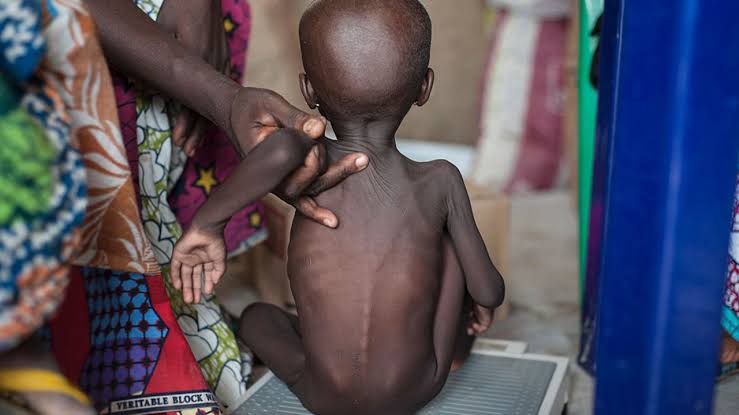
The Federal Government, through the Senior Special Assistant to the President on Public Health, Uju Anwukah yesterday expressed concern over the high rate of malnutrition in Nigeria, regretting that the country ranked second on the global scale and the first on the African continent.
Anwukah’a concerns came on the heels of lamentations by the Chairman of the House of Representatives Committee on Food and nutrition, Hon. Chike Okafor that malnutrition in Nigeria is costing the country about 1.5 billion US dollars annually.
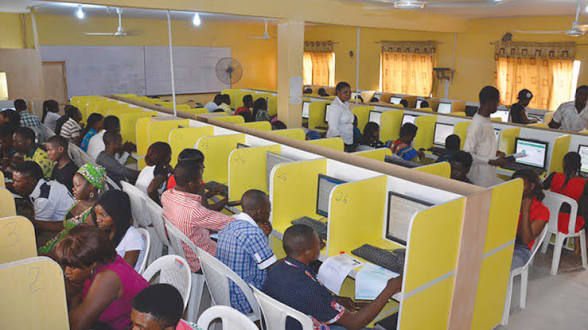
The President’s aide spoke on the topic strengthening nutrition coordination in Nigeria through the N-774 initiative at the ongoing national summit on nutrition and food security organized by the House committee on food and nutrition.
According to her, the Nigerian nation signed up on the N-774 initiative as a way of addressing malnutrition right from the grassroots level, adding that the initiative has been endorsed by the National Council on Food security and the Nigerian Governors Forum.
Speaking further, the Chairman of the Committee, Hon. Chike Okafor said the Summit was organized to proffer solutions to halt the growing concerns about the effect of malnutrition and lack of adequate food on Nigerians, adding that beyond the health effects of malnutrition and lack of food which include stunting, low birth weight, Anaemia in children, adolescent girls and women, there is a considerable cost economically.
According to him, the cost of inaction on these parameters on Nigeria’s economy is aggregated to about 12.2% of the Country’s Gross National Income, about $56b, based on data from Nutrition International and the World Bank.
“Food insecurity has been aggravated by post-harvest loss, estimated at $2b by the Food and Agriculture Organisation (FAO), yearly, adding that “this colossal loss alone is more than the Nutrition budget of the Ministries of Agriculture, Health, Education and Women Affairs put together.
“This continued loss is not only unacceptable, but unsustainable given the austere times in which we currently live. On the above premise my committee is working with those in the 36 states of the federation to do things differently.
“First of all, we are undertaking strategic capacity building sessions to have a better understanding of the root and dynamics of current nutrition and food security challenges in Nigeria. A wise man once said that once you are not informed, you are deformed.
“We are hoping that the capacity building sessions are institutionalized in partnership with the National Institute of Democratic and Legislative Studies, with support from our ever helpful development partners.
“This will put us in a better pedestal to provide strategic oversight to all nutrition and food related interventions and implementing partners, including but not limited to the UN family, the World Bank, International and National NGOs, and of course the government at Federal, State and Local Government levels. By doing so, we will not only have more money for nutrition, but also more nutrition for the available money”, he added.