By Disun Amosun
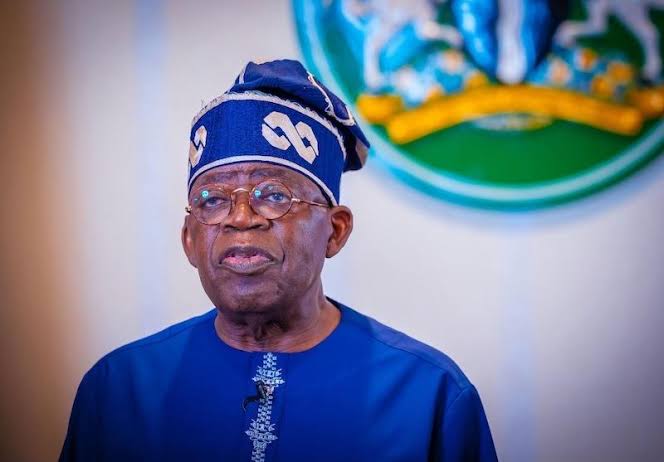
President Bola Tinubu on Monday reiterated his administration’s resolve towards strengthening the role of Office of the Auditor-General, enhance procurement transparency framework, and expand the use of digital financial management systems across Ministries, Departments, and Agencies (MDAs) for transparency in governance
President Tinubu who stated this in Abuja disclosed during the opening of the 4-day ‘National Conference on Public Accounts and Fiscal Governance 2025’ with the theme ‘Fiscal governance in Nigeria: Charting a new course for transparency and sustainable development’.
He acknowledged that sound fiscal governance cannot thrive in isolation of monetary stability.
The President who was represented on the occasion by Minister of State for Finance, Dr. Doris Uzoka-Anite, assured that his “administration is working more closely than ever with the Central Bank of Nigeria to ensure better coordination between fiscal and monetary policy. This alignment is crucial to tame inflation, stabilize the naira, and restore investor confidence.
“We are determined to reduce inflationary pressures by addressing structural bottlenecks—particularly in food supply chains—while exercising discipline in public spending.
“Let me be clear: transparency and accountability are not optional—they are prerequisites for fiscal sustainability, thus we have strengthened the role of the Office of the Auditor-General, enhanced the framework for procurement transparency, and expanded the use of digital financial management systems across Ministries, Departments, and Agencies.
He noted that fiscal governance is not only about policy, it is also about accountability and trust, that is why we have also invested in technologies like the Integrated Payroll and Personnel Information System (IPPIS), the Government Integrated Financial Management Information System (GIFMIS), and the Open Treasury Portal.
“These platforms ensure that public funds are traceable, public officers are accountable, and the Nigerian people are empowered with information. We must move from opacity to openness, from suspicion to confidence, the president noted.
He then called on the National Assembly and especially the Public Accounts Committee to continue discharging its constitutional responsibilities with integrity, courage, and independence, adding Oversight is not a political tool—it is a patriotic duty.
President Tinubu noted that fiscal governance cannot be effective without active citizen engagement and as such Nigerians must be empowered to ask questions, scrutinize public accounts, and demand accountability.
He therefore urged the civil society, organizations, the media, and the general public to partner with the government in this journey—not as spectators, but as co-owners of the national project.