…Recommends psychological evaluation for personnel of NCoS
By Palma Ileye
Minister of Interior, Dr. Olubunmi Tunji-Ojo, has emphasized the need for urgent reforms in Nigeria’s Correctional Service, stressing that the treatment of the weakest members of society was a reflection of the government’s effectiveness.
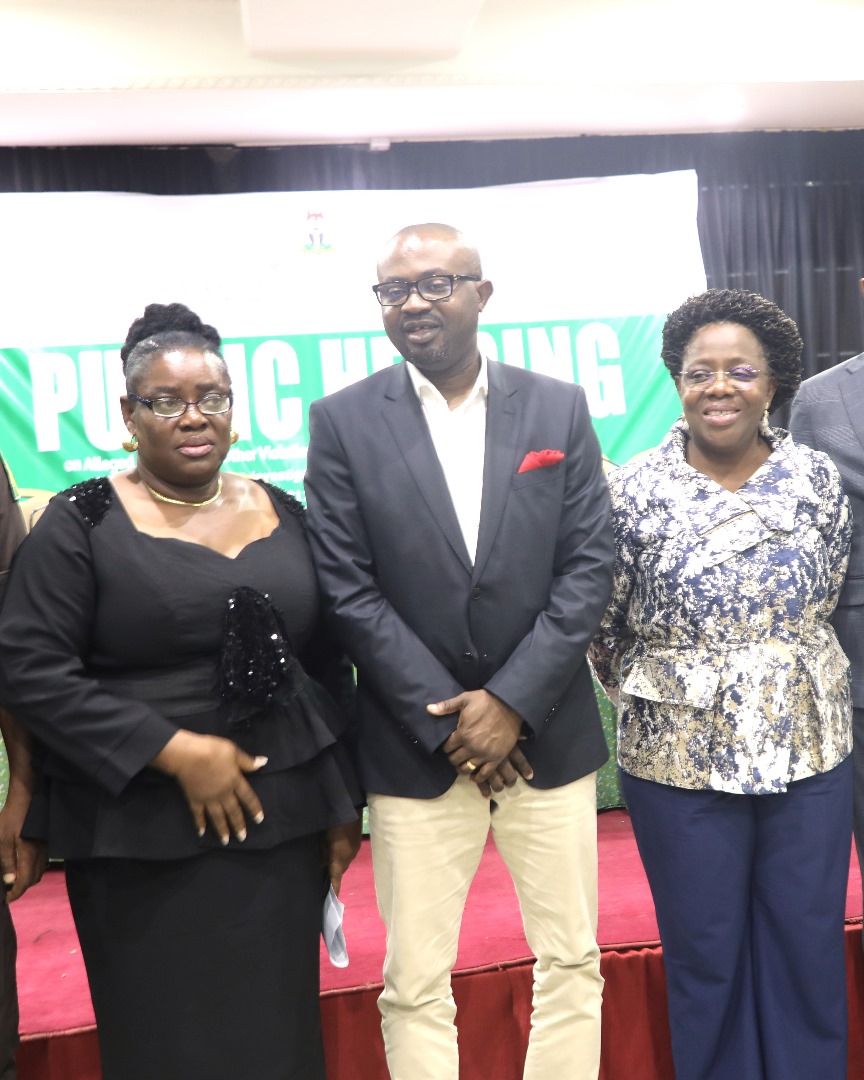
Speaking at the Public Hearing of the Independent Investigation Panel on the alleged corruption, abuse of power, torture, cruel, inhumane, and degrading treatment against the Nigeria Correctional Service, Tunji-Ojo highlighted several key areas that require reform, including the need to reduce the number of correctional centres, address overcrowding, and provide alternative measures to incarceration.
He proposed psychological evaluation for personnel of NCoS to enable them carry out their duties effectively and efficiently saying that on the part of personnel, there has to be zero tolerance for corruption henceforth.
He also emphasized the importance of treating inmates with dignity and respect, and providing them with opportunities for rehabilitation and reintegration into society.
The Minister charged the investigation panel to provide solutions and timelines for implementation, rather than just identifying problems.
He assured the panel of his support and commitment to implementing the necessary reforms to restore hope and dignity to the correctional service and the nation as a whole.
Earlier in her address, the Permanent Secretary, Ministry of Interior, Dr. Magdalene Ajani, welcomed stakeholders to the second public hearing of the independent investigative panel on alleged corruption and other violations against the Nigerian Correctional Service.
The panel, established in response to growing concerns on alleged corruption, human rights violations, and systemic irregularities within the Nigerian Correctional Service, aimed to conduct an independent, fair, and thorough inquiry into these allegations.
Ajani expressed gratitude to the Minister of Interior, Dr. Olubunmi Tunji-Ojo, for his commitment to justice, transparency, and reform within the Nigerian Correctional Service.
She also acknowledged the support of key partners, including the National Human Rights Commission, UNICEF, International IDEA, civil society groups, and prison fellowship.
The first public hearing revealed serious concerns regarding the treatment of persons in custody, management of correctional facilities, and breaches of legal and ethical standards.
As the second public hearing commenced, the panel reaffirmed its commitment to ensuring that the voices of victims, affected families, and concerned stakeholders were heard and that justice was served.
The findings and recommendations from this inquiry would serve as a foundation for meaningful reform, ensuring courage, and a shared commitment to the truth.